

Chinatown & Little Italy: Two Iconic NYC Neighborhoods Side by Side in Lower Manhattan
Chinatown & Little Italy: Two Iconic NYC Neighborhoods Side by Side in Lower Manhattan
Lower Manhattan (near Canal Street & Mulberry Street)
Lower Manhattan (near Canal Street & Mulberry Street)
Experience two of New York City’s most historic and culturally rich neighborhoods in one walkable area, where Chinatown’s bustling markets, dim sum halls, bakeries, and street vendors meet the old-world charm of Little Italy’s cafés, pasta houses, and vibrant heritage streets. Perfect for travelers staying in Brooklyn who want an easy, flavorful, all-day outing filled with food, history, and classic New York atmosphere just a quick subway ride from Prospect Park.
Chinatown and Little Italy sit side by side in Lower Manhattan, offering one of New York City’s most layered, flavorful, and culturally immersive neighborhood experiences. In just a few blocks, travelers can move between two distinct worlds, each shaped by generations of immigration, family businesses, food traditions, and street-level energy that feels unmistakably New York. For visitors staying near Prospect Park, this pairing makes for an ideal day trip: walkable, vibrant, and rich with sights, sounds, and flavors that unfold naturally as you explore.
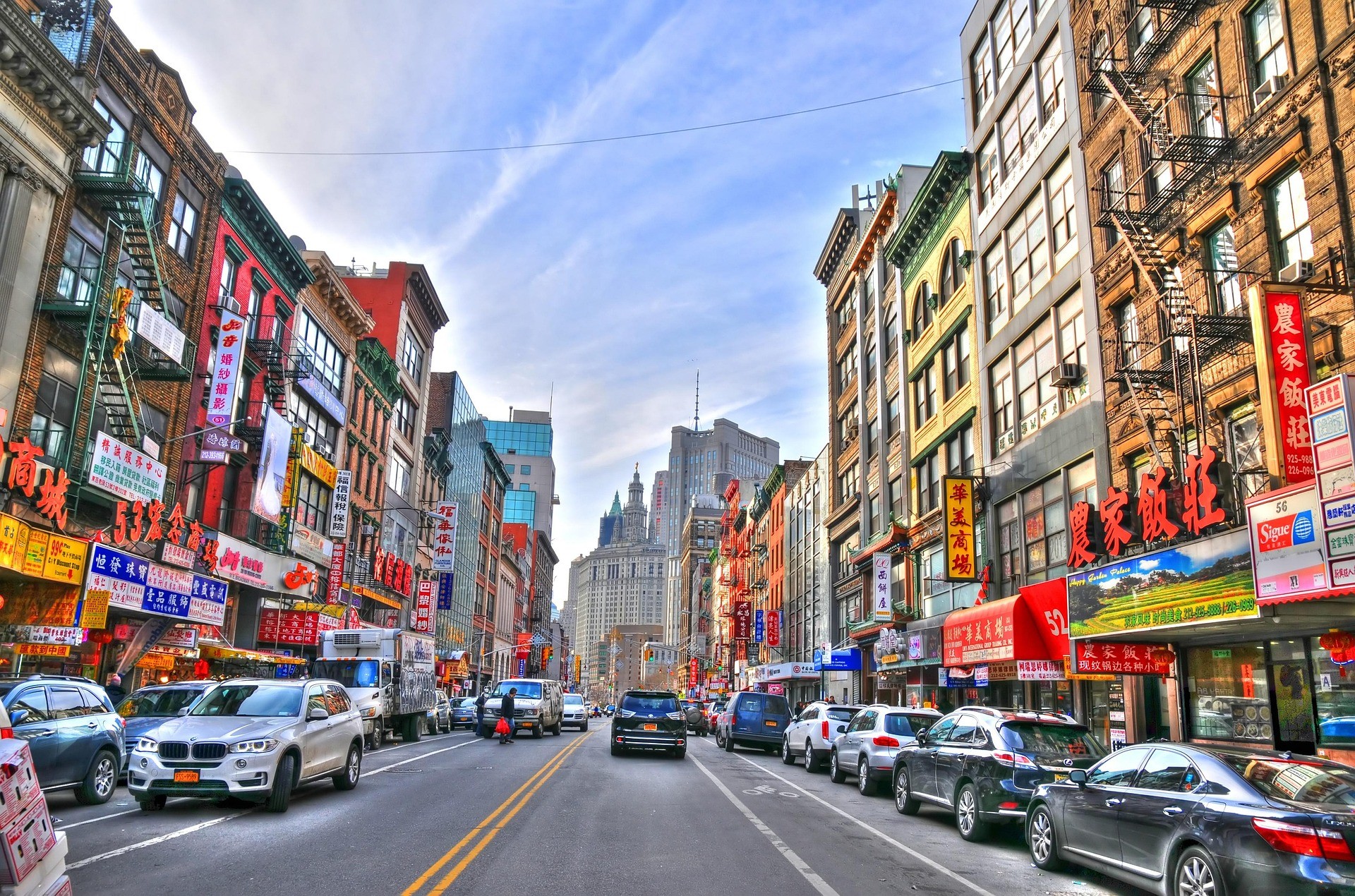
Chinatown is one of the most alive neighborhoods in the city. The moment you step onto streets like Canal, Mott, or Mulberry, the atmosphere shifts. Produce spills out of open storefronts, fish tanks bubble beside sidewalks, and the air fills with the sounds of conversation in multiple dialects, delivery carts rolling past, and vendors calling out daily specials. It’s not curated or polished, and that’s exactly what makes it special. Chinatown functions as a living community first and a destination second, giving visitors a rare chance to witness everyday city life rooted in tradition.
Food is the heartbeat of Chinatown. Dim sum halls open early with carts rolling through crowded dining rooms, offering shrimp dumplings, pork buns, rice noodle rolls, and endless variations of comfort dishes passed down through generations. Bakeries line the streets with windows full of egg tarts, sponge cakes, and flaky pastries priced so reasonably they invite impulse stops. Noodle shops, roast meat counters, and hidden basement restaurants reward curious explorers willing to wander beyond the busiest blocks. Eating here isn’t about reservations or presentation. It’s about flavor, speed, value, and authenticity.
Beyond food, Chinatown offers endless details worth noticing. Apothecaries display dried herbs and roots in wooden drawers. Jewelry shops, tea stores, and small markets sell items you won’t find anywhere else in the city. Murals and community centers reflect the neighborhood’s resilience and history, while side streets reveal temples, schools, and long-standing family businesses quietly carrying on daily routines. Walking through Chinatown feels immersive, almost cinematic, as if you’ve stepped into a parallel city within Manhattan.
Just a few steps away, Little Italy introduces a completely different mood. Where Chinatown is bustling and sensory, Little Italy feels nostalgic and celebratory. Mulberry Street becomes the center of this experience, lined with Italian restaurants, cafés, souvenir shops, and red-and-white tablecloths spilling onto the sidewalk. Though smaller than it once was, Little Italy remains a powerful symbol of Italian-American history in New York, especially when viewed through its traditions, food, and street life.
Little Italy’s charm lies in its atmosphere. Outdoor dining, espresso cups clinking, servers greeting passersby, and the hum of conversation create a relaxed, welcoming energy. Classic Italian dishes dominate menus: pasta with red sauce, chicken parmesan, veal marsala, fresh mozzarella, cannoli, and tiramisu. While some spots lean toward tourist favorites, others maintain deep neighborhood roots, offering meals that feel comforting and familiar rather than flashy.
One of Little Italy’s highlights is its connection to New York’s immigrant story. Plaques, old photographs, and preserved storefronts hint at a time when Italian families filled the surrounding streets, building a close-knit community that shaped the city’s cultural identity. During festivals, especially the Feast of San Gennaro, the neighborhood comes alive with music, lights, food stands, and crowds that celebrate this heritage openly and proudly.
The true magic of visiting Chinatown and Little Italy together is how seamlessly they blend into one experience. You might start the day with dim sum and tea, wander through markets and side streets, stop for pastries in Chinatown, then transition into a leisurely Italian lunch or espresso in Little Italy. There’s no strict itinerary needed. The neighborhoods invite wandering, snacking, sitting, and observing, letting the day unfold organically.
This area also connects easily to other Lower Manhattan highlights. SoHo’s cast-iron buildings, Nolita’s boutiques, the Lower East Side’s nightlife, and historic sites like City Hall Park are all within walking distance. It’s easy to turn a visit into a full day without feeling rushed or overplanned.
For travelers staying near Prospect Park, Chinatown and Little Italy offer a powerful contrast to Brooklyn’s quieter residential charm. The subway ride is simple, and the reward is a dense, dynamic slice of New York that feels deeply rooted and endlessly engaging. It’s an experience that goes beyond sightseeing, allowing visitors to taste, hear, and feel the city’s cultural layers firsthand.
What makes these neighborhoods unforgettable is their authenticity. They are not frozen in time or curated for visitors. They continue to evolve while holding onto traditions that define them. Walking these streets, sharing tables with locals, and exploring without a map creates memories that feel personal and grounded.
A day spent in Chinatown and Little Italy is a reminder of what makes New York special: communities built by immigrants, food that tells stories, and neighborhoods that invite you in without asking you to perform as a tourist. It’s vibrant, real, and deeply satisfying, offering an experience that lingers long after the subway ride back to Brooklyn.
Chinatown and Little Italy sit side by side in Lower Manhattan, offering one of New York City’s most layered, flavorful, and culturally immersive neighborhood experiences. In just a few blocks, travelers can move between two distinct worlds, each shaped by generations of immigration, family businesses, food traditions, and street-level energy that feels unmistakably New York. For visitors staying near Prospect Park, this pairing makes for an ideal day trip: walkable, vibrant, and rich with sights, sounds, and flavors that unfold naturally as you explore.
Chinatown is one of the most alive neighborhoods in the city. The moment you step onto streets like Canal, Mott, or Mulberry, the atmosphere shifts. Produce spills out of open storefronts, fish tanks bubble beside sidewalks, and the air fills with the sounds of conversation in multiple dialects, delivery carts rolling past, and vendors calling out daily specials. It’s not curated or polished, and that’s exactly what makes it special. Chinatown functions as a living community first and a destination second, giving visitors a rare chance to witness everyday city life rooted in tradition.
Food is the heartbeat of Chinatown. Dim sum halls open early with carts rolling through crowded dining rooms, offering shrimp dumplings, pork buns, rice noodle rolls, and endless variations of comfort dishes passed down through generations. Bakeries line the streets with windows full of egg tarts, sponge cakes, and flaky pastries priced so reasonably they invite impulse stops. Noodle shops, roast meat counters, and hidden basement restaurants reward curious explorers willing to wander beyond the busiest blocks. Eating here isn’t about reservations or presentation. It’s about flavor, speed, value, and authenticity.
Beyond food, Chinatown offers endless details worth noticing. Apothecaries display dried herbs and roots in wooden drawers. Jewelry shops, tea stores, and small markets sell items you won’t find anywhere else in the city. Murals and community centers reflect the neighborhood’s resilience and history, while side streets reveal temples, schools, and long-standing family businesses quietly carrying on daily routines. Walking through Chinatown feels immersive, almost cinematic, as if you’ve stepped into a parallel city within Manhattan.
Just a few steps away, Little Italy introduces a completely different mood. Where Chinatown is bustling and sensory, Little Italy feels nostalgic and celebratory. Mulberry Street becomes the center of this experience, lined with Italian restaurants, cafés, souvenir shops, and red-and-white tablecloths spilling onto the sidewalk. Though smaller than it once was, Little Italy remains a powerful symbol of Italian-American history in New York, especially when viewed through its traditions, food, and street life.
Little Italy’s charm lies in its atmosphere. Outdoor dining, espresso cups clinking, servers greeting passersby, and the hum of conversation create a relaxed, welcoming energy. Classic Italian dishes dominate menus: pasta with red sauce, chicken parmesan, veal marsala, fresh mozzarella, cannoli, and tiramisu. While some spots lean toward tourist favorites, others maintain deep neighborhood roots, offering meals that feel comforting and familiar rather than flashy.
One of Little Italy’s highlights is its connection to New York’s immigrant story. Plaques, old photographs, and preserved storefronts hint at a time when Italian families filled the surrounding streets, building a close-knit community that shaped the city’s cultural identity. During festivals, especially the Feast of San Gennaro, the neighborhood comes alive with music, lights, food stands, and crowds that celebrate this heritage openly and proudly.
The true magic of visiting Chinatown and Little Italy together is how seamlessly they blend into one experience. You might start the day with dim sum and tea, wander through markets and side streets, stop for pastries in Chinatown, then transition into a leisurely Italian lunch or espresso in Little Italy. There’s no strict itinerary needed. The neighborhoods invite wandering, snacking, sitting, and observing, letting the day unfold organically.
This area also connects easily to other Lower Manhattan highlights. SoHo’s cast-iron buildings, Nolita’s boutiques, the Lower East Side’s nightlife, and historic sites like City Hall Park are all within walking distance. It’s easy to turn a visit into a full day without feeling rushed or overplanned.
For travelers staying near Prospect Park, Chinatown and Little Italy offer a powerful contrast to Brooklyn’s quieter residential charm. The subway ride is simple, and the reward is a dense, dynamic slice of New York that feels deeply rooted and endlessly engaging. It’s an experience that goes beyond sightseeing, allowing visitors to taste, hear, and feel the city’s cultural layers firsthand.
What makes these neighborhoods unforgettable is their authenticity. They are not frozen in time or curated for visitors. They continue to evolve while holding onto traditions that define them. Walking these streets, sharing tables with locals, and exploring without a map creates memories that feel personal and grounded.
A day spent in Chinatown and Little Italy is a reminder of what makes New York special: communities built by immigrants, food that tells stories, and neighborhoods that invite you in without asking you to perform as a tourist. It’s vibrant, real, and deeply satisfying, offering an experience that lingers long after the subway ride back to Brooklyn.
By LunaEscapes | Short-term rentals near Prospect Park on 16th Street in Windsor Terrace, Brooklyn